Ecological Trauma
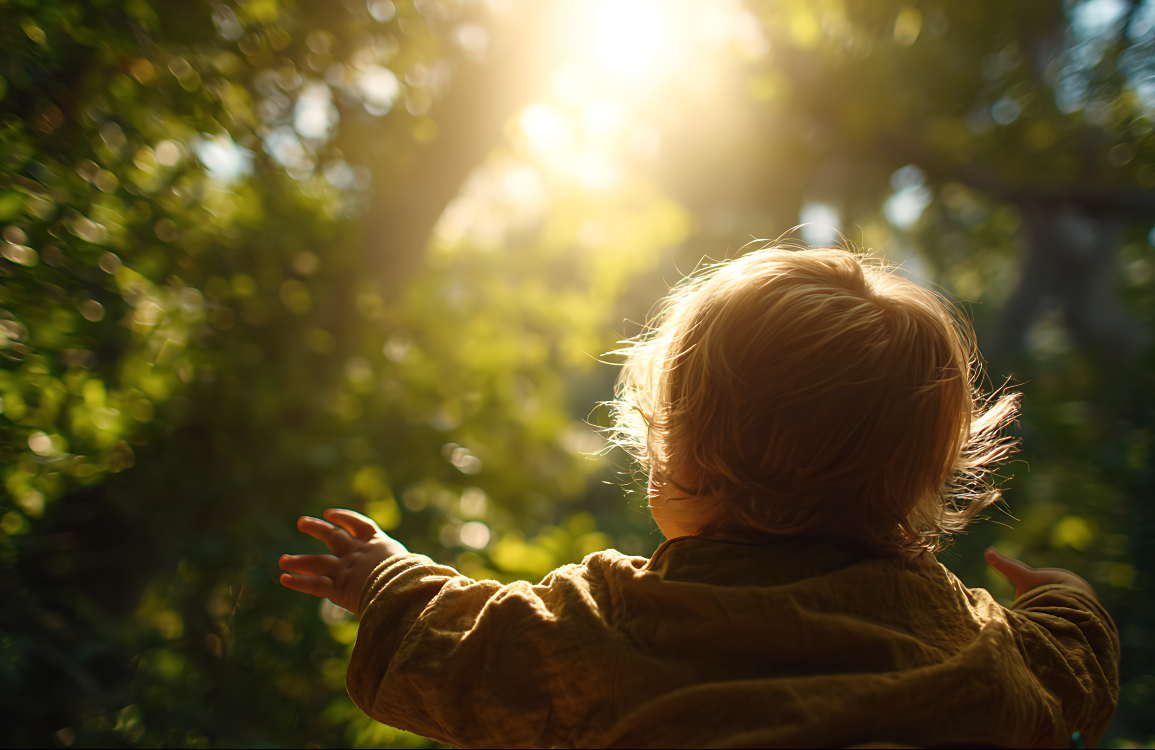
Nature's Wound, People's Story
WHAT IS ECOLOGICAL TRAUMA?
Ecological trauma is the general term for the emotional, cognitive, and physical effects that sudden disasters such as floods, fires, and earthquakes, or slow-onset environmental changes such as drought, ecosystem loss, and pollution, have on individuals and communities. These effects can manifest as feelings of loss, helplessness, anger, guilt, grief, anxiety, and sleep problems. The World Health Organization and the IPCC clearly emphasize the risks of climate change on mental health.
Why do we say “ecological”?
Because the trauma in question here is not just a personal loss or a single event; it is a direct disruption of our connection with the ecosystem. Humans are not separate from nature. We are as much a part of the whole as the air we breathe, the water we drink, and the trees under whose shade we sit. Therefore, every destruction or transformation in the environment does not remain only in the external world; it also resonates within our inner world.
Ecological trauma feeds on collective losses such as the destruction of forests, the pollution of seas, and the degradation of soil. In other words, along with nature, our identity, culture, and sense of belonging are also wounded. This is why the concept is called “ecological.” At this point, scientists have developed different concepts to describe the emotional responses experienced by people:
Solastalgia: The term “solastalgia” was coined in the early 2000s by Australian environmental philosopher Glenn Albrecht. Albrecht defines it as the feeling of displacement that people experience due to environmental changes, even while living in their own homes. In other words, the person has not migrated; they are still in the same home, but their surroundings have changed so much that they no longer feel “at home” there. One of the first examples Albrecht studied was towns in Australia where large coal mines had been opened. People still lived in their own homes, but when mountains were replaced by huge pits and green spaces by dust and noise, the feeling of home was shaken. Like coal mines, people who remained in their homes after forest fires may feel that “This is not my home” because their landscape is now surrounded by burnt trees. Farmers, seeing the fertile fields they knew since childhood cracked and barren due to drought, may feel like strangers even if they still live in their own villages. People living in neighborhoods transformed by large construction sites may feel anxious as they witness the breakdown of neighborly bonds and the loss of the fabric of their streets. Solastalgia is different from ordinary nostalgia. In nostalgia, a person longs for the past, for a place that is now gone. In solastalgia, however, a person experiences the loss of the place they currently inhabit. This can affect mental health, accompanied by chronic sadness, anger, anxiety, and hopelessness.
Ecological Mourning: Mourning is not limited to losses concerning only humans or our immediate surroundings. The loss of nature also creates a similar grief. Ecological mourning is the deep sorrow we feel in the face of environmental losses such as the burning of a forest, the drying up of a lake, the extinction of an animal species, or the concreting of a coastline we have known since childhood. This type of grief may belong not to a single person but to a community, or even to all of humanity. For example, in a village that has lived off fishing for years, the pollution of the sea can shake not only their livelihood but also their culture, traditions, and sense of belonging. Ecological grief shows how strong our emotional bond with nature is. This grief often manifests itself through the following feelings:
- Deep loss and longing,
- Anger and helplessness,
- Hopelessness about the future,
- Shaken sense of identity and belonging.
This pain does not disappear with time; but people learn to live with it, just as they do with other types of grief. New ways of solidarity, efforts to protect nature, and rituals of collective mourning within the community make the process more bearable. Ecological grief reminds us that nature is not just an environment we live in, but a part of our identity and emotional integrity. Feeling its loss is a natural part of being human.
Eco-anxiety: Ecological anxiety, on the other hand, is intense worry about the future and ongoing threats, rather than direct losses. Not knowing where the climate crisis is headed, what kind of world our children will live in, and being constantly exposed to images of disaster in the news feed this anxiety. People constantly ask themselves, “What will happen tomorrow?” This situation can even lead to physical symptoms such as insomnia, difficulty concentrating, and heart palpitations. Scientific research shows that this anxiety is more intense, especially among the younger generation. This is because they have to build their future in the shadow of climate change.
Who Is More Vulnerable?
Children and adolescents: Children are still in the process of emotional and cognitive development. Therefore, major losses in nature or the environment can shake their sense of security and continuity much more than it does for adults. After events such as fires, floods, or earthquakes, children may experience anxiety, nightmares, attention problems, and intense fears more frequently. Adolescents may struggle to cope with feelings of hopelessness and anger about the future.
Those whose livelihoods depend on nature: For farmers, fishermen, livestock breeders, or those working in the forestry and tourism sectors, nature is not just an environment, but also a source of livelihood. The degradation of agricultural land, the decline in fish stocks, or the destruction of forests can cause not only economic loss but also severe trauma in terms of identity, lifestyle, and cultural continuity.
Low-income or disadvantaged groups: People with limited financial resources face greater difficulties in recovering after a disaster. This is because their access to resources such as insurance, healthcare, and safe shelter is limited. In addition, refugee communities, migrants, or individuals deprived of social support are more vulnerable to the effects of ecological trauma.
Communities affected by disasters: Communities directly affected by disasters such as earthquakes, floods, fires, or storms are at the highest risk. Post-traumatic stress disorder (PTSD), depression, sleep problems, and anxiety disorders are commonly seen in these individuals. When the post-disaster reconstruction process is long and uncertain, the psychological effects can become even more severe.
How Does Ecological Trauma Emerge?
Direct effects: These emerge immediately after sudden and violent events. In disasters such as earthquakes, floods, hurricanes, and fires, people experience life-threatening situations, injuries, loss of loved ones, or witnessing the disaster. Such experiences, combined with intense feelings of fear and helplessness, form the basis of trauma.
Indirect effects: Secondary losses that occur after the disaster has ended also deeply affect mental health. Effects such as the destruction of homes, loss of jobs, destruction of agricultural land, and disruption of education and health services leave people in a state of prolonged uncertainty and insecurity. Losses that occur during this period increase the risk of the trauma becoming permanent.
Slow losses: Ecological trauma does not always begin with a sudden disaster. Sometimes it is experienced as a silent and prolonged process. Changes such as the gradual degradation of soil, the destruction of forests for concrete or mining, and the melting of glaciers transform people's lives step by step. In such situations, individuals may feel alienated, and their sense of belonging and security may be undermined. Even if daily life continues as usual, the person may experience a constant feeling of loss and grief.
Persistent uncertainty and exposure to news: Constantly receiving bad news about the climate crisis, being exposed to images of disasters, and not being able to find a clear answer to the question “What does the future hold for us?” also creates a traumatic burden. This type of ongoing anxiety feeds a sense of helplessness in the individual. It has been observed that anxiety about climate change becomes chronic, especially among young people, turning into a condition we call “eco-anxiety.”
Damage to community and social bonds: Disasters and environmental destruction affect not only nature but also the social fabric of communities. Forced migration, the breakdown of neighborly ties, and the loss of cultural and spiritual values isolate people. This also takes ecological trauma to a collective level.
What Symptoms May Be Observed?
- Emotional: Sadness, anger, guilt, hopelessness, grief.
- Cognitive: Difficulty concentrating, catastrophizing, pessimistic thoughts about the future.
- Physical: Sleep disturbances, tension, pain.
- Behavioral: Withdrawal, avoidance, excessive monitoring, or denial.
Professional support is needed when these symptoms are severe, long-lasting, and functionally disruptive. (The WHO recommends prioritizing climate-mental health integration in national policies.)
What Can We Do?
Individual Well-being and Resilience
Name your feelings: Instead of ignoring anxiety, sadness, or anger, saying “This is grief related to environmental loss” lightens the weight of the emotion.
Routines and healthy living: Regular sleep, balanced nutrition, exercise, and contact with nature (e.g., walking in the park, gardening) regulate the nervous system.
Media balance: Constant exposure to disaster news increases anxiety. Getting information from reliable sources and limiting the time spent on it is protective.
Meaning and action: Steps such as planting a small sapling, recycling, or participating in local environmental movements give people a sense of “being able to make a difference” and nurture hope.
Family and School-Based Support
Open communication with children: Rather than hiding losses in nature from children, it is important to explain them in an age-appropriate manner and give them the opportunity to share their feelings.
Emotion regulation skills: Tools such as drawing, keeping a journal, and expressing feelings through play help children communicate their anxiety and sadness.
Disaster preparedness: Simple disaster plans within the family and school (meeting point, emergency bag preparation) give children a sense of security.
Peer support: Peer groups or counseling activities in schools where children who have experienced disasters can share their feelings alleviate trauma.
Community and Local Solidarity
Solidarity in Daily Life: Maintaining neighborly relationships, community gardens, sharing networks (food, clothing, books, etc.), and joint environmental initiatives strengthen community bonds. Strong bonds become a safety net in times of crisis.